How to Spot Bird Nests and Other Wildlife on a Roof Without Causing Harm

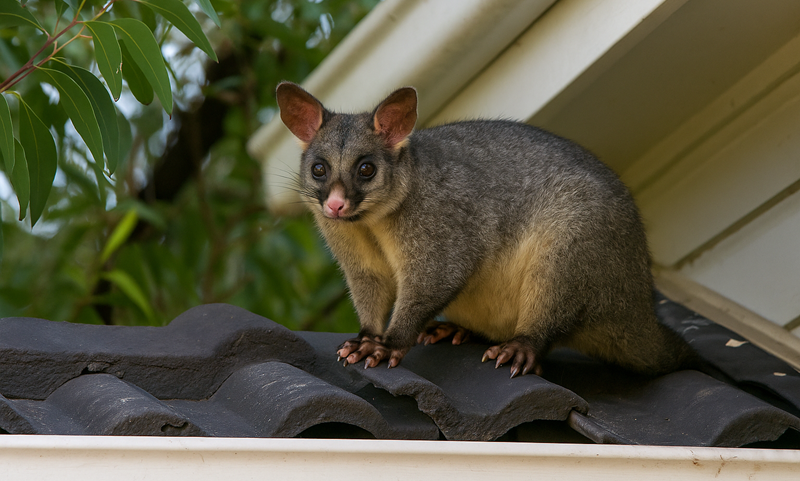
possum on a tiled roof

You’d be surprised what kinds of animals decide your roof looks like a decent place to call home. Over the years, I’ve come across plenty of birds nesting in gutters and under tiles — but also the odd possum, and even a snake or two curled up in the roof cavity.

Roofs make an ideal hideout. They’re quiet, warm, up high, and out of reach of predators. But while the animals mean no harm, they can create big problems — blocked gutters, damaged insulation, chewed cables, or worse. If you suspect there’s wildlife up there, it’s important to approach things calmly and safely, for your sake and theirs.

Why Wildlife Love Roofs

It helps to understand why your roof’s so appealing in the first place. Animals are looking for the same things we are: shelter, warmth, and food. Roof cavities stay dry and relatively warm, especially in winter. Overhanging trees or nearby fruit trees make access easy for birds and possums, while rodents might sneak in chasing leftover pet food or rubbish. And if rodents move in, snakes may follow. Some Australian snakes adpat very well to urban environments.

What Animals Are Common in Australian Roofs?

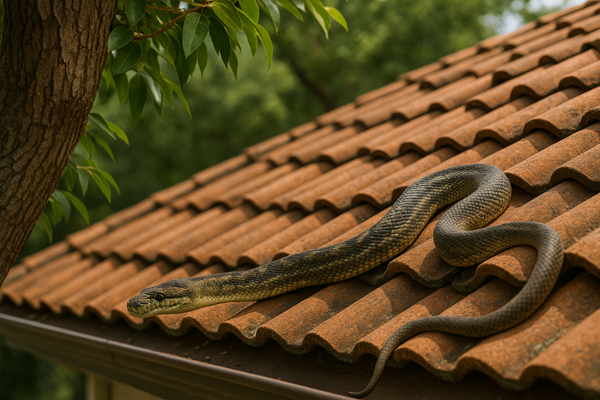
Some of the most common roof visitors in Australia include pigeons, starlings, swallows, and noisy miners. Introduced species like Indian mynas and sparrows are also regulars. Possums — both ringtail and brushtail — are famous for moving into ceiling spaces, often dragging in leaves to build a nest. Snakes sometimes end up in roof cavities too, particularly if there’s food (rodents in particular) or warmth on offer.
Signs You’ve Got Wildlife in Your Roof

There are plenty of clues that something may be living overhead. Scratching or thumping sounds at night usually point to possums, especially if they’re coming and going at dawn or dusk. Birds are noisier during the day — you might hear fluttering, chirping, or even the sound of chicks. If you see sticks, leaves or feathers poking out from under a tile or near a vent, that’s a sign of nesting activity. Droppings around gutters or stains on external walls can also be giveaways. In some cases, you’ll spot a well-worn path or rub marks where animals regularly squeeze in and out.

How to Check Safely Without Disturbing Wildlife

“The key is to check without disturbing the animal” says my mate Aaron, an experienced roofer from Brisbane. Aaron learned his lesson the hard way. During a project that involved roof repointing in Brisbane southside, he was bitten by carpet python – luckily, a non-venomous snake. I barged into a roof cavity banging around with a broom, the snake got scared and attacked.

Start from the ground. Use binoculars if you need to get a closer look at gutters, eaves or gaps in the tiles. If you do need to get up on the roof, tread lightly and don’t poke into holes or stick your hand into any dark spots. If you’re entering the ceiling space, use a torch and have a good look around before moving deeper. And it goes without saying — keep pets and kids well away until you know what you’re dealing with.

What to Do If You Find Wildlife in the Roof

If you do find wildlife nesting in or around your roof, the best move is usually to leave it be and make a call to someone who knows what they’re doing. Possums, for example, are a protected native specie. That means you can’t trap or relocate them yourself — it has to be done by a licensed professional. The same goes for many native birds. Even if the nest seems small or abandoned, you should always check with a wildlife rescue group or pest control expert before removing anything.

In cases where the animal isn’t protected or the situation is more serious (like a snake sighting), calling a professional is not just safer — it’s smarter. They’ll know how to identify the species and handle it in a way that doesn’t cause injury or distress.

How to Prevent Wildlife from Returning

Once the wildlife has moved on or been safely relocated, that’s your window to make sure they don’t come back. Block any entry points — seal up gaps under eaves, install mesh over vents, and check under solar panels for nesting space. If your roof mortar has deteriorated, it’s best to arrange for roof repointing. Possums often get in from overhanging branches, so trimming trees back from the roofline can stop them in their tracks. And if you’ve got food scraps, compost bins or pet bowls near the house, keep them sealed and clean.

Final Thoughts

It’s worth remembering that these animals aren’t trying to be pests. They’re just looking for a safe place to rest or raise their young. That said, your roof isn’t the right place for them — and it’s your job to make sure they stay out, without harm.

I’ve always said that noticing wildlife on your roof is a good sign. It means you’re paying attention. With a bit of care and respect — for your roof and the creatures that visit it — you can keep everyone safe, dry and happy.
Why Birds Nest on Roofs + What It Means for Maintenance

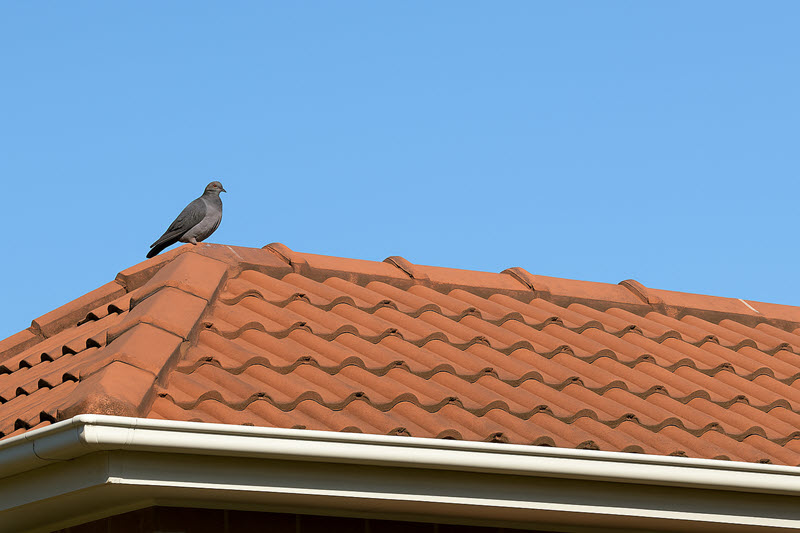
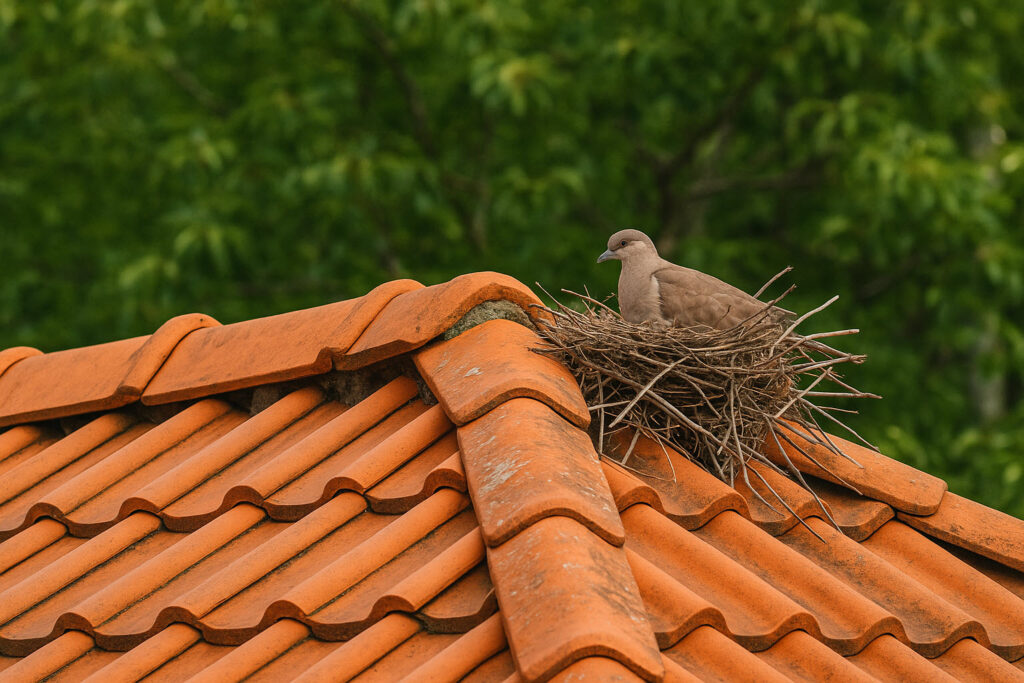
pigeon on roof tiles

Over the years I’ve spent on rooftops — in Australia and overseas — I’ve come across all sorts of birds making themselves at home under eaves, in gutters, and even inside roof cavities. And as a keen birdwatcher and big fan of Australian native birds, I get it. Roofs offer a pretty ideal setup for nesting birds.

But as a roofer? I also know the damage they can cause if left unchecked.

If you’ve noticed feathers, droppings, or scratching sounds up high, chances are you’ve got some feathered tenants. Let’s talk about why they’re up there — and what that means for looking after your roof.

Why Birds Choose Roofs to Nest

Roofs tick a lot of boxes for nesting birds. For starters, they’re high up — out of reach of predators like cats, foxes, and humans (apart from roofers lol). Eaves, gaps under tiles, and spaces behind solar panels offer cosy little pockets that are protected from wind and rain.

In urban areas, birds often struggle to find safe natural nesting sites such as large, tall trees, so your roof becomes the next best option. They’ll bring in sticks, leaves, and anything else they can find to build their nests. If there’s a quiet, undisturbed part of the roof — say a chimney that’s not in use or a gap in the fascia — they’ll move in fast.

Common Culprits on Aussie Roofs

Across Australia, I’ve seen all sorts of birds nesting on roofs. Some of the usual suspects are pigeons, Indian mynas, starlings, and sparrows — species that thrive around human activity and tend to move in wherever they can.

You’ll also spot native birds like noisy miners, magpies, swallows and crested pigeons. Some are more aggressive about defending their nests (I’m looking at you, magpies), while others quietly nest and slip away at season’s end.

It’s worth knowing that many native birds are protected, so disturbing their nests during breeding season is off-limits by law. More on that in a moment.

What Nesting Birds Mean for Roof Maintenance

As much as I enjoy seeing birds around the yard, once they get into your roof, it becomes a problem.

For one, nests in gutters or downpipes cause blockages. Water backs up, overflows, and can cause mould or damage to fascias, walls, or even internal ceilings. I’ve seen plenty of soggy eaves that could’ve been avoided with a simple check for nest build-up.

Birds also damage roofing materials by dislodging tiles or lifting sheet edges to squeeze underneath. In some cases, they’ll nest inside cavities, pulling out insulation or clogging up ventilation paths.

Then there’s the noise — scratching, chirping, fluttering — not to mention the droppings. Bird poo is more than just messy. It’s acidic and can corrode paint, metal, and other roofing surfaces if left too long. And don’t forget the pests: mites, insects, and sometimes even snakes follow nests looking for food or warmth.

Prevention and Safe Removal

Your best defence is regular roof checks — especially heading into nesting season (spring) followed by regular washing. Birds have good memory. If their nests get constantly washed out after a good professional roof cleaning, “they will go somewhere else” – according to my friend Caleb, a specialist in roof cleaning in Adelaide .

When you spot signs like loose tiles, blocked gutters, or twigs sticking out from roof edges. Early intervention is always easier than dealing with a full-blown infestation.

If you’ve got an old or abandoned nest, you can usually remove it yourself — just wear gloves and a mask, as dried droppings and nesting material can carry bacteria and mites.

If birds are still actively using the nest, things get tricky. Native species like swallows, magpies, or willie wagtails are protected under Australian law, and it’s illegal to disturb their nests while they’re breeding. In that case, the best thing to do is wait until the nesting season is over, then block off the entry points to stop them returning next year.

One of the most common nesting spots these days is under solar panels. The space beneath makes a perfect sheltered ledge for pigeons, especially. If that’s the case, it’s worth getting a professional to install mesh or bird-proofing systems to block them out — without affecting your solar setup.

When to Call in a Professional

Some situations are best left to the pros — especially if birds have made it into your roof cavity or chimney, or you’re unsure whether they’re a protected species. Licensed bird removal specialists can assess the situation and remove nests humanely and legally.

They can also install preventative systems — like gutter guards, mesh barriers, or even simple deterrents — to stop birds nesting again in future.

Final Thoughts

Look, I love birds. But I’ve seen firsthand what they can do to a roof when they get a bit too comfortable. You don’t have to pick between being a bird lover and looking after your home — you just need to stay on top of things.

A few simple checks every season, some smart prevention, and a bit of patience during nesting time can go a long way.

Birds belong in trees, not in your roof cavity. Keep them out, keep your roof intact, and everyone’s happy.

Anthony

Working in the Heat: How Roofers Stay Safe in Extreme Weather

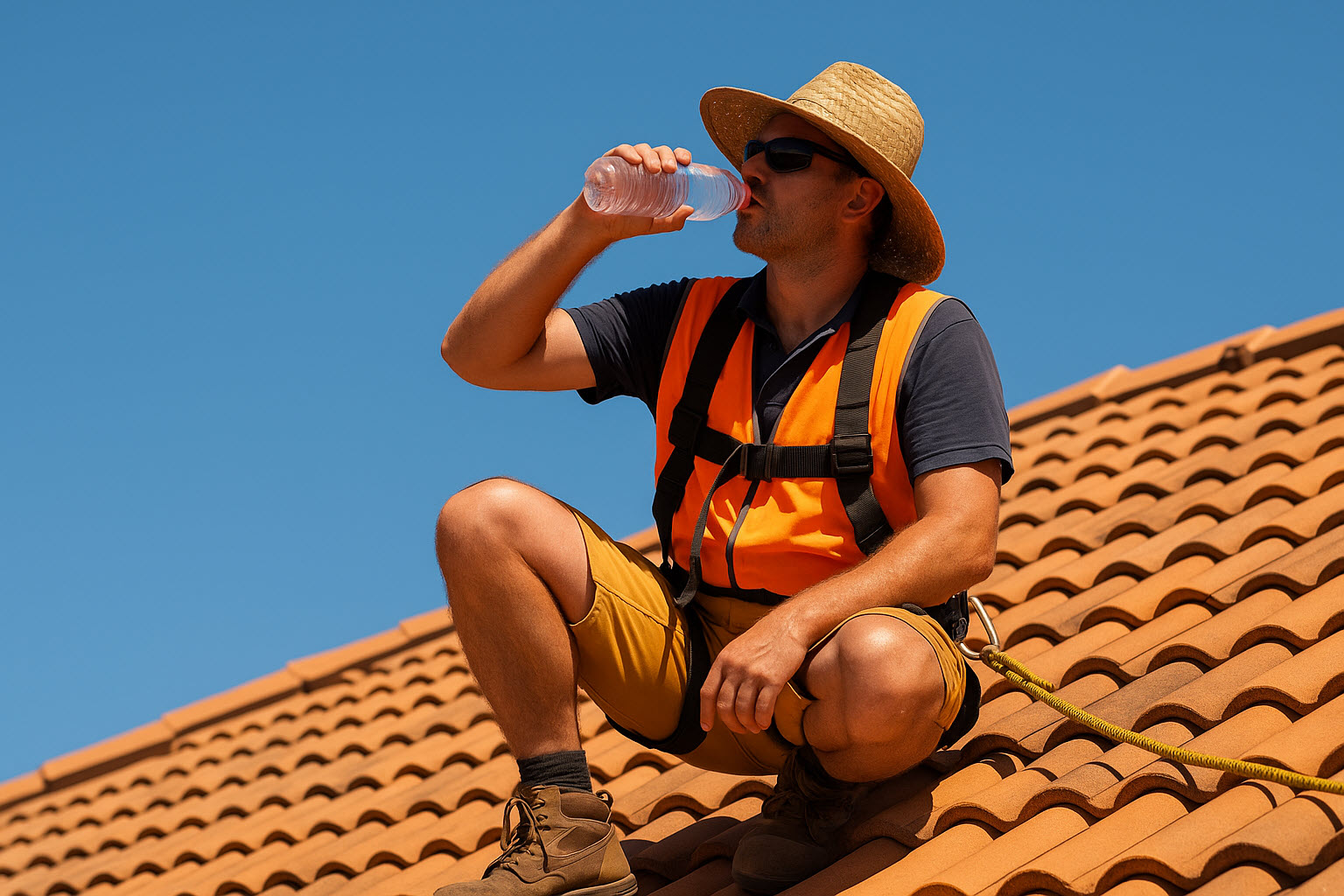
roofer driking water on a hot summer day

If you’ve ever worked a tin roof in the Australian summer, you’ll know the heat isn’t just uncomfortable — it can be downright dangerous. Between the blazing sun, hot surfaces underfoot, and no shade in sight, roofing in extreme weather pushes your body harder than most jobs out there.

I’ve spent decades up on roofs in Australia, the US (includng Florida and Hawaii), and the UK. The good news? With the right approach, you can stay safe and get the job done — without risking your health.

Why Heat Is a Real Hazard on the Roof

When you’re roofing in summer, you’re not just dealing with the air temperature. Roofing materials — especially metal and dark tiles — can heat up well past 50 or even 60°C. Add the fact that you’re usually exposed to full sun with no shade or breeze, and it’s no surprise that heat stress is a serious risk.

Unlike other trades where you might duck into some aircon now and then, roofers are often out in the elements all day. That makes it essential to understand the risks and how to manage them. After years of tiled roof restorations in Melbourne, I really had to up my game in terms of personal safety.

What Can Go Wrong?

There are a few key health risks that roofers need to watch for when working in hot weather:

Dehydration
When you’re sweating all day, it’s easy to become dehydrated without realising it. That can lead to headaches, confusion, and slower reaction times — all dangerous things when you’re working at heights.

Heat exhaustion and heat stroke
This one can sneak up on you. Early signs include dizziness, fatigue, and nausea. If left unchecked, it can progress to heat stroke — a medical emergency that needs urgent attention. I’ve seen blokes try to push through, and it never ends well.

Sunburn and skin cancer
Australia has some of the highest UV levels in the world, and that means serious skin damage if you’re not properly protected. Long sleeves and sunscreen aren’t optional — they’re essential.

Loss of concentration and coordination
Heat messes with your focus. That means a greater risk of slips, trips, and mistakes — things that can turn deadly on a roof.

How to Stay Safe on Hot Days

A bit of planning and awareness goes a long way. Here are the basics every roofer should follow when the heat ramps up:

  • Hydration is key. Drink water regularly throughout the day — don’t wait until you’re thirsty. If you’re sweating buckets, add electrolytes to replace lost salts. Avoid too much coffee or energy drinks, which can make dehydration worse.
  • Start early, finish early. In summer, I always aimed to be done by early arvo. Getting a jump on the day while it’s cooler can make a world of difference. And if the forecast is a scorcher, think seriously about whether it’s worth working at all. A good site surpervisor should keep their team safe.
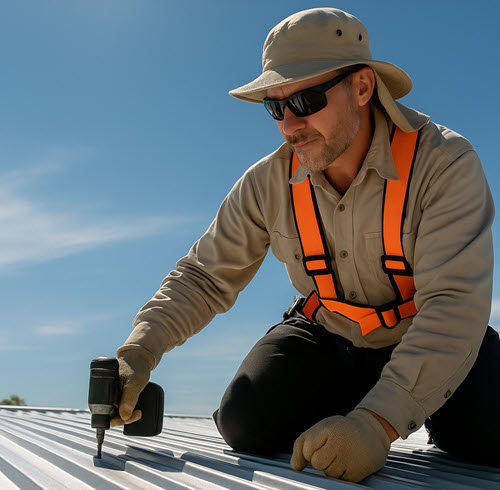
  • Wear the right gear. Long-sleeved, lightweight workwear made from breathable material is your best friend. It protects your skin without trapping heat. A wide-brimmed hat or a hard hat with a sun flap helps shield your face and neck. And always wear sunglasses with proper UV protection.
  • Don’t skimp on sunscreen. Use SPF 50+ and reapply every couple of hours, especially if you’re sweating it off. Sunburn isn’t just painful — it adds to your body’s heat load and increases your risk of long-term damage.
  • Take regular breaks. Find shade, cool down, and give your body a chance to recover. Even five or ten minutes every hour can make a difference.

Keep an Eye on Your Mates

One thing I’ve learned over the years is that heat stress doesn’t always announce itself loudly. Sometimes the signs are subtle — a mate getting unusually quiet, working slower, or looking a bit wobbly on their feet.

If someone’s not right, call it out. Step off the roof, get some water and rest, and if things aren’t improving, don’t muck around — call for help. No job is worth risking someone’s life.

A Final Word from an Old Roofer

There’s a bit of a tough-it-out culture in the trades — especially among roofers. But there’s no medal for working through a heatwave. Heatstroke, dehydration, and skin cancer aren’t signs of hard work — they’re signs that something needs to change.

The best tradies I’ve worked with weren’t just good with their hands — they looked after themselves and their crew. If you want a long career in this game, you need to respect the conditions.

So check the forecast, wear your gear, drink your water, and most importantly — know when to down tools.

Stay safe out there,
– Anthony

What to Do If You Suspect You’ve Encountered Asbestos While Roofing

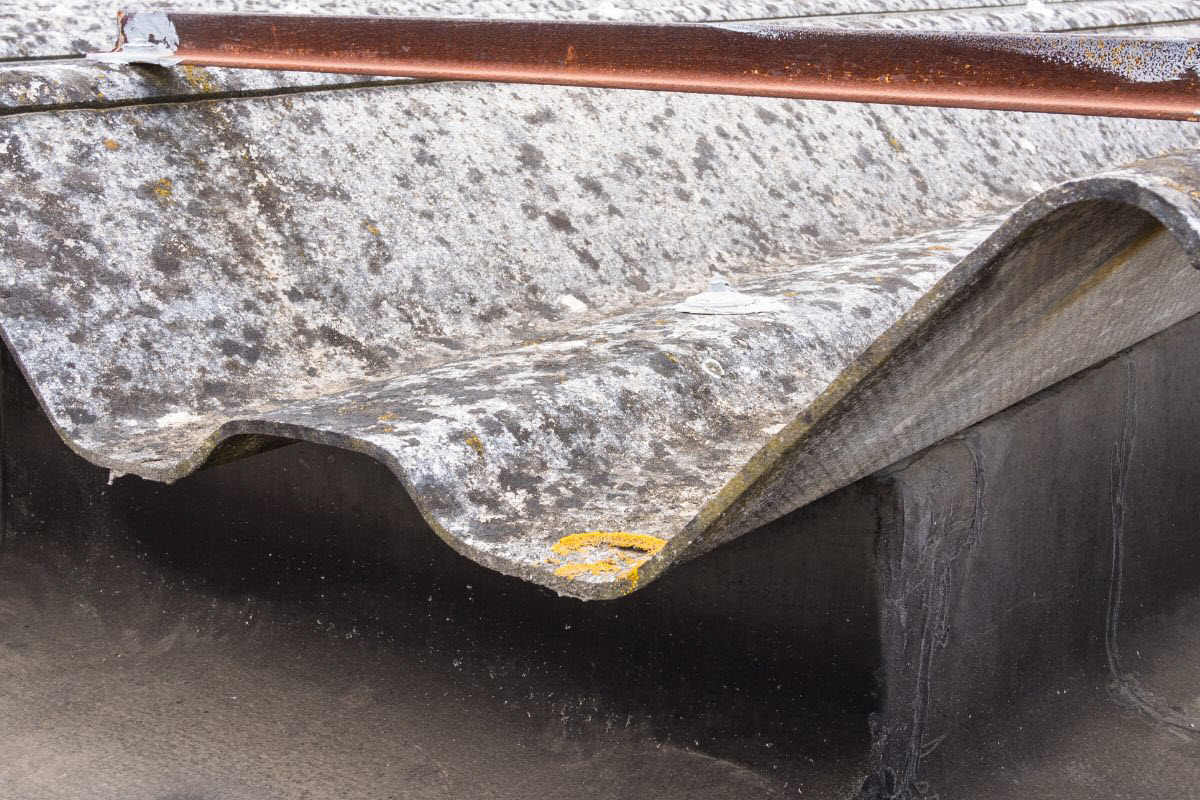
roof sheets containing asbestos

I’ve worked on a fair few rooftops in my time – in the UK, the US, and all across Australia. And if there’s one thing that still makes the hairs on the back of my neck stand up, it’s asbestos. It’s sneaky stuff. Looks harmless enough, especially when it’s been sitting there quietly for decades. But once you disturb it, the danger kicks in.

If you’re working on a roof and think you’ve come across asbestos – stop and get a licensed asbestos expert to test!

Here’s what you need to know, and more importantly, what you need to do. Asbestos safety must be taken seriously!

What Asbestos Looks Like (and Why It’s Hard to Tell)

The tricky thing about asbestos is that it doesn’t wave a red flag at you. It hides in plain sight, especially on older Aussie homes built before 1990. You may find it in corrugated cement roofing sheets, imitation slate tiles, eaves and/or ceiling linings, garage roofs, sheds, and flat roofing panels, etc. Every time I was asked to do a project that involved roof replacement in Melbourne, the demolition of the old roof was always a moment for extra caution.

It often looks just like regular fibre cement sheeting – the kind used in fencing or cladding. And when it’s in good condition, it’s not easy to spot without testing. Weathering, cracking, or signs of wear might raise a red flag, but even then, you won’t know for sure just by looking.

Signs You Might Be Dealing with Asbestos

So how do you know when to be cautious?

Start by checking the age of the building. If the home or structure was built before the early ‘90s, you should treat any fibre cement material as potentially asbestos-containing. Even homes from the late 80s can still have leftover stock.

Other warning signs:

  • The material is brittle, greyish, and cement-like
  • It’s breaking down or flaking
  • It’s unlabelled, with no clear manufacturing date

But again – and I can’t stress this enough – you cannot confirm asbestos by sight alone. Which brings me to the most important point.

What to Do If You Suspect It’s Asbestos

Here’s the golden rule: stop work immediately.

I know – it’s frustrating when you’re halfway through a job or under pressure to get things done. But disturbing asbestos without proper precautions puts you, your team, and anyone nearby at risk.

✅ DO:

  • Down tools and leave the area calmly
  • Let others on-site know about the suspected material
  • Secure the area if possible – close doors, mark off the space
  • Inform the homeowner or site manager
  • Call in a licensed asbestos specialist to take a sample and have it tested

❌ DON’T:

  • Try to remove or cut the material yourself
  • Use power tools or pressure washers near it
  • Sweep or vacuum any dust or debris
  • Assume “it’s probably fine” and keep working

This is not something you can guess your way through. The only safe way to confirm whether something contains asbestos is through professional testing by a licensed asbestos assessor.

Don’t Take Chances – Call the Experts

Even if you’ve worked with asbestos in the past, the rules have changed, and rightly so. These days, the best thing you can do is call a licensed asbestos removalist or assessor. They’ll collect a sample, send it to a lab, and let you know exactly what you’re dealing with.

If it turns out to be asbestos, only a licensed professional is legally allowed to remove and dispose of it. It’s not worth the risk – to your health, your business, or your client.

A Quick Word on Health Risks

I won’t go into full lecture mode here, but just know this: asbestos-related diseases are real, and they’re deadly. We’re talking about conditions like mesothelioma, lung cancer, and asbestosis – all of which can show up years (even decades) after exposure.

You don’t need a big exposure event. Just one job, one careless cut, one time without PPE – that can be enough.

And it’s not just about you. If you carry asbestos dust on your clothes or tools, you can take it home. That puts your family at risk too.

Final Thoughts from an Old Roofer

There’s a lot of pride in being able to figure things out on your own – especially in the trades. But asbestos isn’t one of those “have a crack and see” situations.

If in doubt, get out. Then get it tested. Simple as that.

I’ve seen some close calls in my time. I’ve also known a couple of good blokes who were diagnosed far too late. So I’ll say it again: no job is worth gambling your lungs over.

Stay safe out there,

Anthony